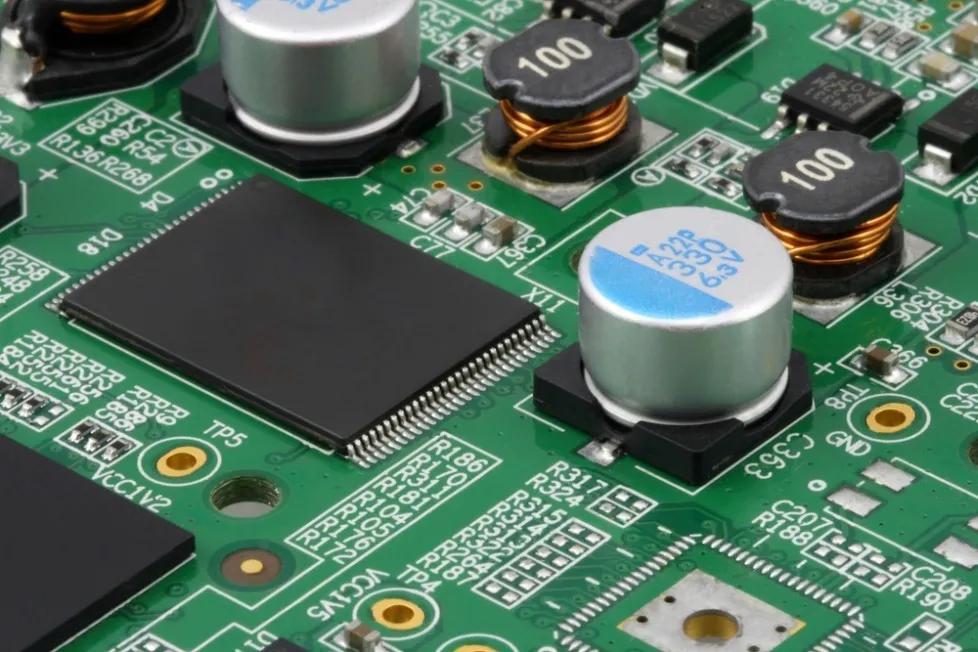



Choosing a turnkey PCBA manufacturer is a sourcing and engineering decision. The quotation should show how PCB fabrication, BOM sourcing, assembly, inspection, testing and revision control will be coordinated from prototype validation through repeat batches.
Do not compare unit price in isolation. A useful quotation states the file revision, approved BOM, sourcing assumptions, assembly scope, inspection and test coverage, exclusions, quantity breaks and lead-time basis. Missing assumptions can create cost or schedule changes after purchase-order release.
Shenzhen Benchuang Precision Electronics Co., Ltd. reviews OEM PCB and PCBA enquiries against the submitted Gerber data, BOM, assembly files, quantity and test requirements. Available processes and quotation scope are confirmed for each project from the actual files.
Start with the Real Project Stage, Not Only the Unit Price
A prototype PCBA order and a batch production order do not have the same purpose. A prototype is usually used to verify circuit design, layout feasibility, component selection, firmware behavior, mechanical fit and testing method. Batch production focuses more on repeatability, process stability, BOM control, yield management and delivery consistency.
Before comparing quotations, buyers should first confirm the real project stage:
- Is the board still under engineering validation?
- Has the Gerber file already been approved?
- Is the BOM fixed or still open to replacement suggestions?
- Does the product require functional testing after assembly?
- Will the approved prototype be followed by a pilot run or repeat batch orders?
A credible quotation should address these questions before price comparison. A price issued without checking project stage, file completeness and test scope may not reflect the actual manufacturing work.
Check Whether the Manufacturer Can Review Gerber, BOM and Assembly Files Together
Turnkey PCBA is different from simple PCB fabrication. The manufacturer needs to understand not only the bare PCB, but also the relationship between the PCB layout, component package, assembly process and final testing requirement.
Before placing an order, buyers should prepare the following files where possible:
- Gerber files
- BOM list with manufacturer part numbers
- Centroid / pick-and-place file
- Assembly drawing
- PCB specification or stack-up requirement
- Testing method or functional test instruction
- Target order quantity and delivery schedule
These files help the manufacturer check whether the board is suitable for SMT assembly, whether component packages match the PCB pads, whether special processes are needed and whether alternative components may be required due to supply conditions.
For compact layouts, fine-pitch packages or dense routing, request a stack-up and DFM review before treating an HDI construction as feasible. The HDI PCB guide identifies microvia, registration and material questions to include in that review.
Evaluate DFM Review Capability Before Prototype Production
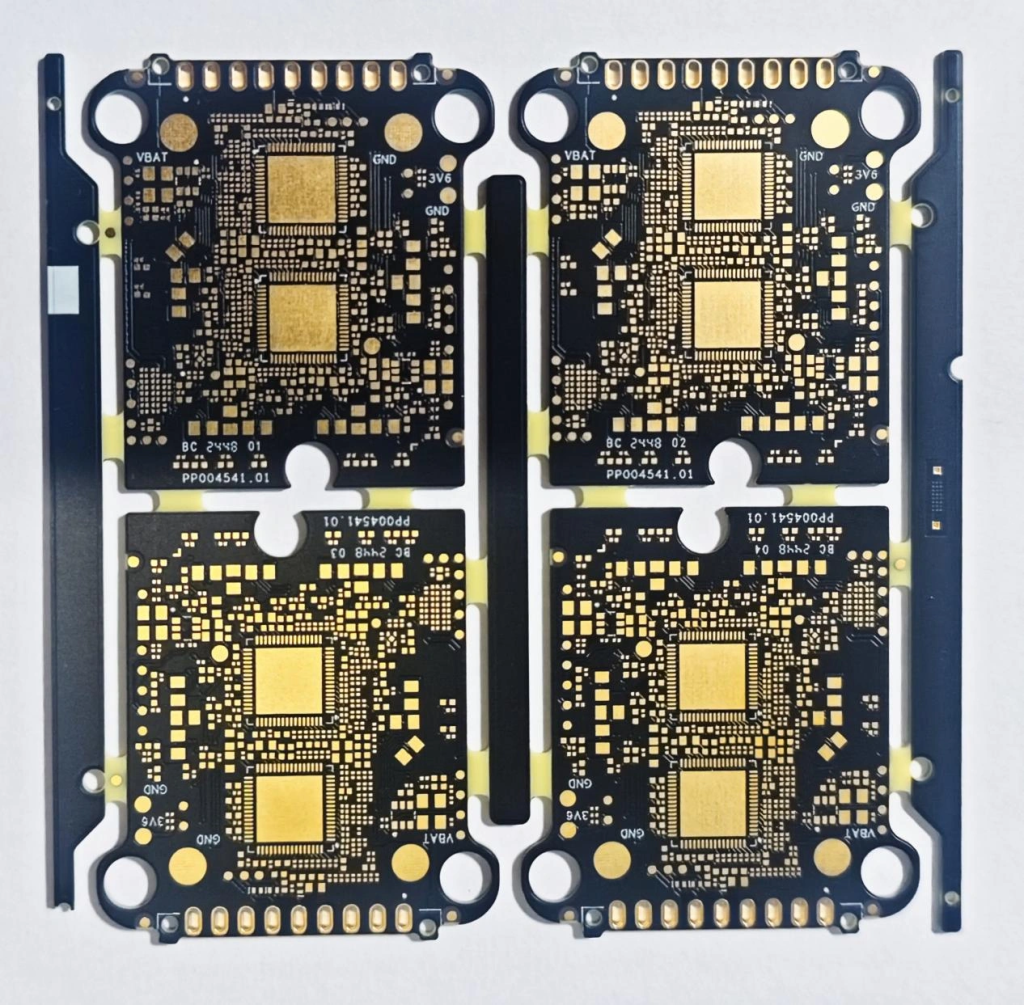
DFM review is one of the most important steps before prototype PCBA production. A design that works electrically on paper may still create manufacturing problems during PCB fabrication or assembly. Typical issues include insufficient spacing, unsuitable pad design, unclear polarity marking, difficult BGA routing, poor panelization, weak solder joint design or component package mismatch.
Ask the supplier to return a marked DFM report or written exception list before production. The response should distinguish fabrication, assembly, sourcing and test issues, and should identify which changes require customer approval.
For prototypes, DFM review can prevent avoidable iterations. For repeat batches, it establishes documented limits for fabrication, stencil, placement and inspection controls. It does not replace electrical verification or customer approval.
When design, fabrication and assembly decisions interact, request one documented review across the same file revision. Benchuang's PCB and PCBA service overview lists the information used to define a project-specific review and quotation.
Confirm PCB Fabrication Capability Behind the Assembly Service
Some PCBA suppliers mainly focus on assembly and outsource PCB fabrication to other factories. This is not always a problem, but it may increase communication risk when the board structure is complex or when production schedules are tight.
If your project involves HDI PCB, multilayer PCB, impedance control, fine lines, dense vias or special surface finish requirements, the bare PCB capability should be checked together with the assembly service.
A two-layer construction may suit a lower-density design, while routing, return paths, impedance or component escape constraints can require a multilayer stack-up. Use the double-sided PCB guide and multilayer PCB guide as review checklists; final feasibility depends on the submitted design.
The right manufacturer should be able to explain which PCB structure fits the project instead of pushing every project toward the most expensive option.
Review Component Sourcing and BOM Control
Component sourcing is often where turnkey PCBA projects become complicated. A BOM may include standard resistors and capacitors, but it may also include ICs, connectors, sensors, power devices, modules or parts with limited availability.
A capable turnkey PCBA manufacturer should check:
- Whether the BOM includes complete part numbers
- Whether key components are available through stable channels
- Whether substitute parts require customer approval
- Whether long lead-time components affect delivery
- Whether moisture-sensitive devices need special handling
- Whether component packaging is suitable for automated SMT assembly
For prototype builds, component replacement may sometimes be acceptable after engineering approval. For batch production, BOM stability is much more important. Any change in IC, connector, sensor or power component may affect product performance, firmware behavior or certification work.
Check SMT, THT and Mixed Assembly Capability
Many PCBA projects are not pure SMT projects. A board may include fine-pitch ICs, BGA or QFN packages, passive components, connectors, terminals, power components and through-hole parts at the same time. This means the manufacturer needs both SMT and THT process control.
When evaluating a PCBA manufacturer, buyers should check whether the factory can handle:
- Fine-pitch SMT assembly
- BGA and QFN placement
- Through-hole component soldering
- Mixed SMT and THT assembly
- Connector and terminal soldering
- Process inspection after assembly
For industrial control boards, power-related PCBAs and communication equipment, mixed assembly is common. The assembly process should be selected according to the board design and product environment, not simply based on a standard production flow.
Do Not Ignore Testing Requirements
A completed PCBA is not only a board with components soldered on it. For many OEM projects, the board must pass inspection and testing before shipment.
Common PCBA quality checks may include:
- Visual inspection
- AOI inspection
- ICT testing where applicable
- Functional testing based on customer requirements
- Firmware programming if required
- Packaging inspection before delivery
Testing requirements should be discussed before quotation. If the buyer needs functional testing, the test method, fixture, software, power conditions and acceptance criteria should be clarified early. Otherwise, both sides may have different expectations after assembly is completed.
For industrial control PCB and PCBA projects, testing is especially important because the final products may be used in automation equipment, control modules, sensors, power systems or harsh working environments.
Understand the Transition from Prototype to Batch Production
A good prototype does not automatically mean stable batch production. Before increasing order volume, buyers should review what was learned during the prototype stage.
Important questions include:
- Were there any DFM changes after the first build?
- Were all components available as planned?
- Did any package or footprint issue appear during assembly?
- Was the test method clear and repeatable?
- Did the customer approve the sample without major design changes?
- Will the same BOM be used for the next batch?
For batch production, the manufacturer should keep process records, approved files, BOM status and testing requirements aligned. This is important for repeat orders and long-term supply stability.
Compare Communication Quality, Not Only Factory Size
Factory scale matters, but communication quality is just as important in turnkey PCBA projects. PCB and PCBA production involves engineering, sourcing, production, quality control and delivery. If communication is slow or unclear, even a capable factory may cause project delays.
A good PCBA manufacturing partner should be able to:
- Confirm engineering questions clearly
- Point out missing files before production
- Explain component sourcing issues
- Provide practical DFM feedback
- Separate prototype risks from batch production risks
- Support clear quotation and delivery communication
This is especially important when overseas buyers need a China-based PCBA manufacturer for long-term OEM electronics projects.
What Buyers Should Prepare Before Requesting a Turnkey PCBA Quote
To receive a more accurate quotation, buyers should provide as much project information as possible. A complete inquiry helps the manufacturer evaluate PCB cost, component cost, assembly difficulty, testing workload and delivery schedule.
Before sending an inquiry to Benchuang, we recommend preparing:
- Gerber files
- BOM list
- Centroid file
- Assembly drawing
- PCB material and thickness requirement
- Surface finish requirement
- Quantity for prototype and batch production
- Testing or programming requirement
- Target delivery time
- Application field or working environment
If some files are not ready, the buyer can still send the available information first. The manufacturer can then confirm what is missing before quotation or production.
For a more detailed inquiry checklist, you can also read our related article: What Information Is Needed to Quote a Custom PCBA Project?
How Benchuang Reviews Turnkey PCBA Enquiries
Shenzhen Benchuang Precision Electronics Co., Ltd. reviews the submitted PCB data, BOM, placement files, assembly drawing, quantity and test requirements before defining the quotation scope. The response should record open engineering questions, sourcing assumptions, inspection points and any customer-supplied fixtures or software.
For projects that require compact layouts or higher routing density, buyers can review our HDI PCB solutions. For industrial equipment, automation products and control-related electronics, our industrial control PCB and PCBA application page provides more relevant project direction.
For a project review, send the current Gerber files, BOM, centroid data, assembly drawing, quantities and acceptance requirements. Benchuang's engineering team will base its feedback on that file revision and identify information still needed before quotation.
FAQ: Choosing a Turnkey PCBA Manufacturer
What is the difference between turnkey PCBA and consigned PCBA?
In turnkey PCBA, the manufacturer usually manages PCB fabrication, component sourcing, assembly and testing. In consigned PCBA, the buyer provides some or all components, while the manufacturer mainly handles assembly. Turnkey PCBA is often more convenient for buyers who want one supplier to coordinate the full production process.
Can I request a quotation without a complete BOM?
A preliminary quotation may be possible, but a complete BOM is needed for accurate component cost and sourcing evaluation. If the BOM is incomplete, the manufacturer may need to confirm missing part numbers, package types or approved alternatives before production.
Why is DFM review important before prototype PCBA production?
DFM review helps identify design issues that may affect PCB fabrication, component placement, soldering quality or testing. It can reduce repeated revisions and improve the chance of a successful prototype build.
Should I choose a PCBA manufacturer that also provides PCB fabrication?
For complex projects, it is often helpful to work with a manufacturer that understands both PCB fabrication and assembly. This can reduce communication gaps between unassembled PCB production and final PCBA assembly.
What information should I send for a turnkey PCBA quote?
You should send Gerber files, BOM, centroid file, assembly drawing, quantity, PCB specification, testing requirement and delivery expectations. The more complete the information, the more accurate the quotation will be.
How do I move from prototype PCBA to batch production?
Before batch production, the prototype should be reviewed for DFM changes, component stability, assembly results, testing method and customer approval. The approved files and BOM should be controlled before repeat production.
Can Benchuang support both prototype and batch PCBA orders?
Prototype, pilot and repeat-batch enquiries are reviewed from the submitted project files. Feasibility, sourcing route, inspection and test scope, and quotation basis are confirmed before order acceptance. Buyers can submit files through the contact page.
Decision Summary
Compare suppliers on documented scope: approved file revision, PCB stack-up, BOM assumptions, assembly process, inspection and test acceptance, change control, exclusions and delivery basis. These items make quotations easier to compare and reduce ambiguity after release.
Approve the prototype, BOM substitutions, test method and open deviations before repeat production. Keep those approvals linked to the controlled revision used for each batch.
Send the current Gerber data, BOM, assembly files, quantity and acceptance criteria through the contact page. Shenzhen Benchuang Precision Electronics Co., Ltd. will review the package and return project-specific questions and quotation assumptions.