



Rigid-flex PCB manufacturability depends on the combined rigid and flexible stack-up, material transitions, bend zones, hole structures, folded geometry and assembly conditions. Shenzhen Benchuang Precision Electronics Co., Ltd. confirms materials, manufacturing limits and qualification requirements only after reviewing the released project data.
Rigid-Flex PCB Manufacturer for Custom Prototype and Production
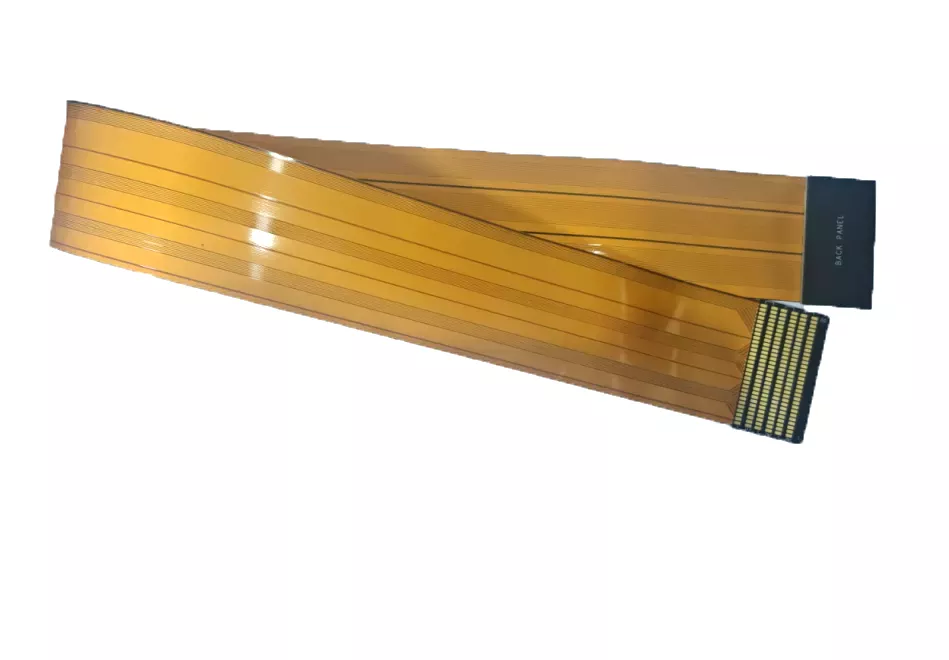
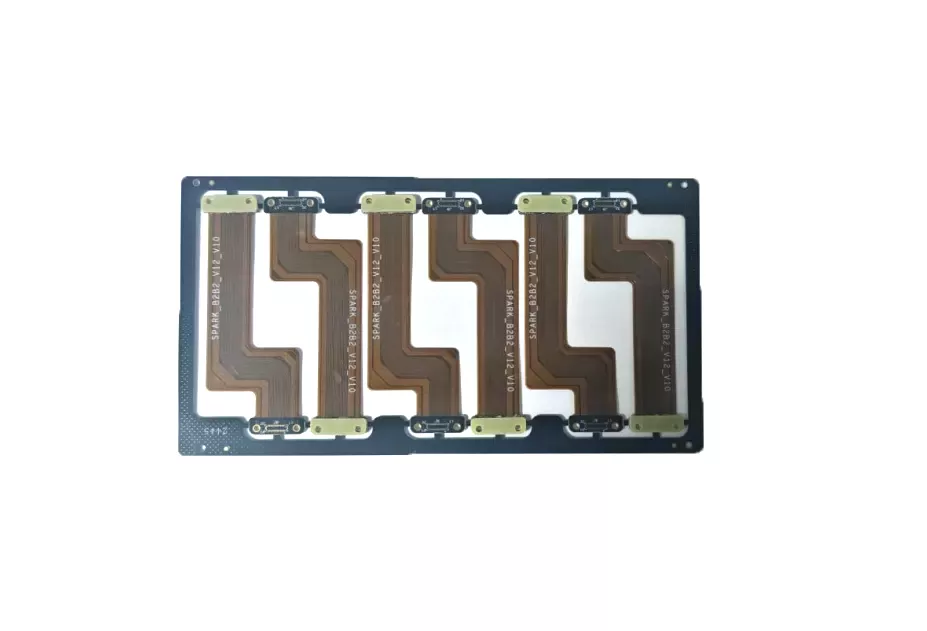
Rigid-Flex PCB Project Fit
A rigid-flex PCB is appropriate when a conventional rigid PCB plus separate cable or connector creates packaging, reliability or assembly challenges. The rigid sections support components and connectors, while the flexible sections create the controlled interconnection between assemblies. The early decisions are where the flex section bends, how often it moves, how the rigid-to-flex transition is built, and which areas require impedance control or mechanical support.
Rigid-Flex PCB Reference Specifications for Quotation
These figures are reference ranges for initial rigid-flex quotation planning. They are not guaranteed in every combination. Final manufacturability depends on the rigid and flex stack-ups, bonded transition, bending condition, copper, stiffeners, via structure, panel layout and released acceptance criteria.
| Parameter | Reference range | Engineering check |
|---|---|---|
| Layer count | 2 to 16 layers | Confirm which layers continue through rigid and flex regions. |
| Finished thickness | 0.25 to 6.0 mm | Define local rigid and flex thickness, coverlay and stiffener inclusion. |
| Minimum line / space reference | 0.045 / 0.045 mm | Verify separately by copper layer, copper weight and flex/rigid region. |
| Mechanical drill reference | 0.10 mm minimum | Specify via type, drill versus finished size and layer span. |
| Copper foil options | 12 / 18 / 35 / 70 um | Select copper by region and flex life requirement. |
| Stiffener and support materials | FR-4 / PI / PET / stainless steel / PSA | Mark material, thickness, adhesive and exact support locations. |
Send the rigid-flex stack-up, bend-zone drawing, rigid/flex boundary definition, coverlay and stiffener details, drill and via table, panel outline and assembly interfaces for review. The project team will confirm the applicable process window before quoting.
Parameters for Project Review
| Parameter | Project information to define |
|---|---|
| Layer construction | Rigid and flex layer count, location of flex sections and layer stack-up. |
| Rigid and flex materials | Rigid-section laminate and flex-section polyimide construction; approved material requirements. |
| Copper and circuit design | Copper weight, line/space, current-carrying requirements and critical routing areas. |
| Bend-zone requirements | Static or dynamic bending, bend radius, bend cycles where applicable, and keep-out areas. |
| Coverlay and stiffeners | Coverlay openings, reinforcement location, connector support and assembly needs. |
| Interconnection | PTH, blind/buried vias or microvias where required by the approved design. |
| Electrical requirements | Impedance, high-speed signal requirements, testing and acceptance criteria. |
| Production requirements | Surface finish, panelization, quantity, delivery target and shipping destination. |
Rigid-Flex PCB Design and Build Options
Rigid-flex construction typically combines FR-4 rigid areas with polyimide flex areas. Coverlay protects the flex circuit, while stiffeners can provide local reinforcement for connectors or assembly. Depending on stack-up and routing requirements, a project may use plated through holes, blind or buried vias, or microvias. Each choice affects the manufacturing route, panel utilization, electrical performance and quotation, so it should be reviewed with the released design package rather than selected from a generic specification.
Projects that primarily require a bendable circuit without integrated rigid sections may be better evaluated as a Flexible PCB manufacturer project. Dense interconnection involving microvias may also require review against the HDI PCB manufacturer process route.
Information Needed for a Rigid-Flex PCB Quotation
- Gerber files, NC drill data and available stack-up; ODB++ or IPC-2581 where available.
- Rigid/flex construction, materials, thickness, copper, coverlay and stiffener details.
- Bend-zone notes, impedance, surface finish, testing, quantity, target date and destination.
Send Your Rigid-Flex PCB Project Details
Include your stack-up, bend-zone requirements, materials, quantity and target date. Our team will confirm the file-transfer method for the complete technical package.
Engineering Review and Quality Control
Before production, Benchuang reviews released manufacturing data, the applicable stack-up or construction, material requirements, critical electrical and mechanical requirements, surface finish, quantity and test requirements. Project-specific inspection and test methods are selected from the approved production plan before manufacturing.
See our PCB fabrication and PCBA support for related manufacturing and assembly services.
Typical Rigid-Flex PCB Applications
Rigid-flex PCBs are commonly evaluated for compact industrial control equipment, communications devices, medical electronics, automotive electronics and intelligent terminals where board-to-board interconnection and enclosure space must be evaluated together.
Rigid-Flex PCB FAQ
What is the difference between rigid-flex and rigid PCB connected by FPC?
A rigid-flex PCB integrates rigid and flexible sections into one construction. A rigid PCB connected by a separate FPC uses distinct boards and interconnects. The appropriate option depends on the enclosure, assembly, bending and reliability requirements; neither construction is always the lower-cost choice.
What files are needed for a quotation?
Provide Gerber and NC drill data or ODB++/IPC-2581 files where available, together with the stack-up, rigid and flex construction, bend-zone definition, materials, quantity, testing requirements and delivery target.
What belongs in a bend-zone definition?
Define the bend direction and radius, whether the use is static or dynamic, applicable keep-out areas, and any stiffener or reinforcement requirements. Include the intended installed condition when possible.
Can Benchuang review impedance and via requirements?
Benchuang can review the impedance targets, routing requirements and proposed via structure against the released project data. Final manufacturability and process choices are confirmed only after the technical files and requirements have been evaluated.
What affects rigid-flex PCB cost and lead time?
Cost and production planning depend on the stack-up, material requirements, flex construction, via types, surface finish, testing, panel utilization, quantity and requested delivery date. A project-specific quotation is prepared after the files are reviewed.
For project communication, contact Benchuang with the available design package and quotation requirements.