



Die Herstellbarkeit von Starrflex-Leiterplatten hängt von der Kombination aus starrer und flexibler Struktur, Materialübergängen, Biegezonen, Bohrungen, gefalteter Geometrie und Bestückungsbedingungen ab. Shenzhen Benchuang Precision Electronics Co., Ltd. bestätigt Materialien, Fertigungsgrenzen und Qualifikationsanforderungen erst nach Prüfung der freigegebenen Projektdaten.
Starrflex-Leiterplatten für kundenspezifische Prototypen und Serien
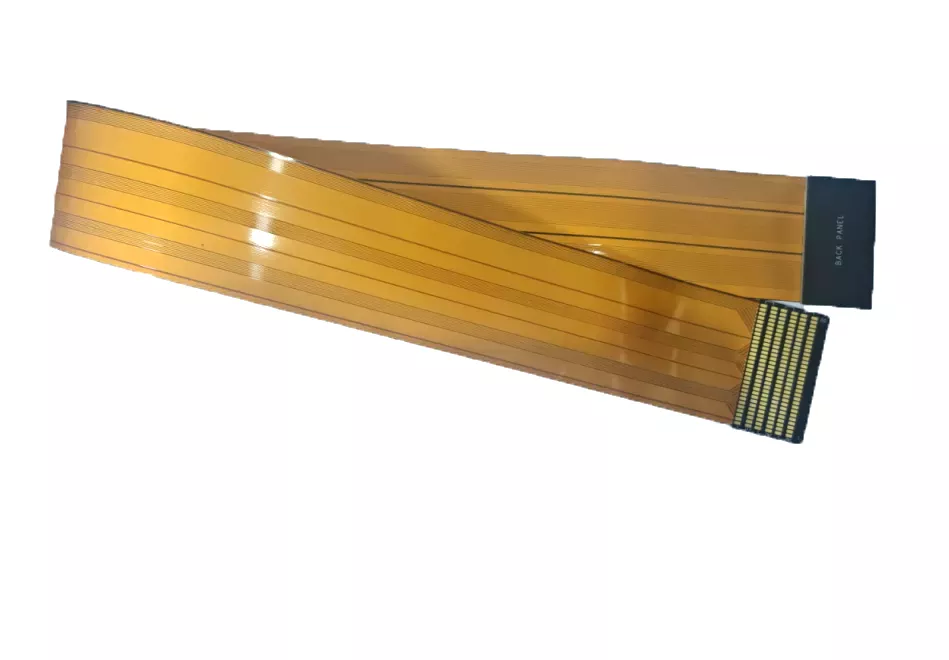
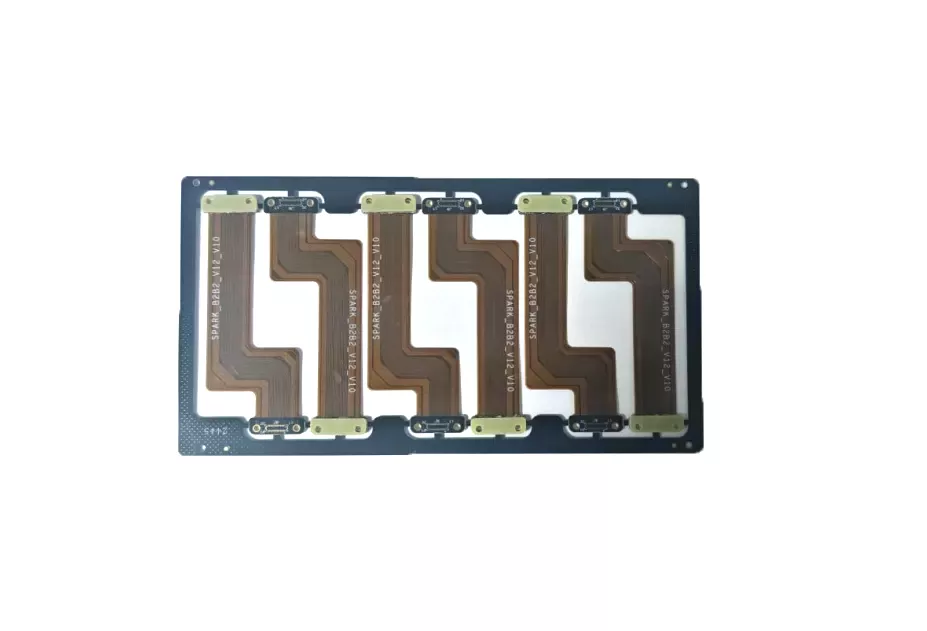
Eignung von Starrflex für Ihr Projekt
Starrflex eignet sich, wenn eine starre Leiterplatte mit separatem Kabel oder Stecker Platz-, Zuverlässigkeits- oder Montageprobleme verursacht. Starre Bereiche tragen Bauteile und Stecker; flexible Bereiche verbinden die Baugruppen. Es muss frühzeitig festgelegt werden, wo und wie oft der flexible Teil gebogen wird, wie der Übergang aufgebaut ist und welche Bereiche eine Impedanzkontrolle oder mechanische Unterstützung benötigen.
Referenzspezifikationen für Rigid-Flex-Leiterplatten zur Angebotserstellung
Diese Zahlen dienen als Richtwerte für die vorläufige Angebotsplanung von Rigid-Flex-Leiterplatten. Sie können nicht in jeder Kombination garantiert werden. Die endgültige Herstellbarkeit hängt von den Aufbauten der starren und flexiblen Schichten, dem geklebten Übergang, den Biegebedingungen, dem Kupfer, den Versteifungen, der Via-Struktur, dem Panel-Layout und den freigegebenen Abnahmekriterien ab.
| Parameter | Referenzbereich | Technische Überprüfung |
|---|---|---|
| Lagenzahl | 2 bis 16 Schichten | Überprüfen Sie, welche Schichten sich über starre und flexible Bereiche erstrecken. |
| Fertige Dicke | 0,25 bis 6,0 mm | Lokale starre und flexible Dicken sowie die Einbeziehung von Deckschichten und Versteifungen definieren. |
| Mindestabstand zwischen Zeilen und Leerzeichen | 0,045 / 0,045 mm | Überprüfen Sie dies separat nach Kupferschicht, Kupfergewicht und flexiblen bzw. starren Bereichen. |
| Referenz für mechanische Bohrmaschinen | mindestens 0,10 mm | Geben Sie den Typ, das Verhältnis von Bohr- zu Fertigmaß sowie die Schichtspanne an. |
| Optionen für Kupferfolie | 12 / 18 / 35 / 70 µm | Wählen Sie Kupfer nach Region und geforderter Lebensdauer aus. |
| Versteifungs- und Stützmaterialien | FR-4 / PI / PET / Edelstahl / PSA | Material, Dicke, Klebstoff und die genauen Befestigungspunkte markieren. |
Bitte senden Sie den Aufbauplan für die Starr-Flex-Leiterplatte, die Zeichnung der Biegezone, die Definition der Grenze zwischen starrer und flexibler Leiterplatte, die Details zu Deckschicht und Versteifung, die Bohr- und Durchkontaktierungstabelle, den Konturplan der Leiterplatte sowie die Schnittstellen zur Bestückung zur Prüfung ein. Das Projektteam wird vor der Angebotserstellung das geltende Prozessfenster bestätigen.
Parameter für die Projektprüfung
| Parameter | Festzulegende Projektangaben |
|---|---|
| Lagenaufbau | Feste und flexible Lagenanzahl, Lage der flexiblen Bereiche und Schichtaufbau. |
| Starre und flexible Materialien | Laminat der starren Bereiche und Polyimid-Aufbau der flexiblen Bereiche; freigegebene Materialanforderungen. |
| Kupfer- und Schaltungsdesign | Kupferstärke, Leiterbreite/-abstand, Strombelastbarkeit und kritische Routingbereiche. |
| Anforderungen an Biegezonen | Statische oder dynamische Biegung, Radius, gegebenenfalls Biegezyklen und Sperrflächen. |
| Abdeckungen und Verstärkungen | Coverlay-Öffnungen, Verstärkungsstellen, Steckerhalterungen und Montageanforderungen. |
| Verbindungen | Durchkontaktierungen, Blind-/Buried-Vias oder Microvias gemäß freigegebenem Design. |
| Elektrische Anforderungen | Impedanz, schnelle Signale, Prüfungen und Abnahmekriterien. |
| Fertigungsanforderungen | Oberflächenausführung, Aufteilung der Platten, Menge, Liefertermin und Versandadresse. |
Konstruktions- und Aufbauoptionen für Starrflex
Starrflex-Leiterplatten kombinieren in der Regel starre FR-4-Bereiche mit flexiblen Polyimid-Bereichen. Eine Deckschicht schützt die flexible Schaltung; Verstärkungen dienen der Befestigung von Steckern oder zur Montage. Je nach Aufbau und Leiterverlegung kommen Durchkontaktierungen, Blind- oder Buried-Vias oder Microvias in Frage. Jede Wahl beeinflusst den Fertigungsweg, die Auslastung der Leiterplatten, die elektrischen Eigenschaften sowie das Angebot und muss anhand des freigegebenen Datenpakets geprüft werden.
Projekte, die eine biegsame Schaltung ohne integrierte starre Bereiche erfordern, können als Projekt für flexible Leiterplatten geprüft werden. Dichte Verbindungen mit Microvias erfordern gegebenenfalls zusätzlich eine Prüfung der HDI-Fertigungsprozess .
Unterlagen für ein Starrflex-Angebot
- Gerber-Dateien, NC-Bohrdaten und verfügbarer Schichtaufbau; gegebenenfalls ODB++ oder IPC-2581.
- Starrflex-Aufbau, Materialien, Dicke, Kupfer, Deckschicht und Verstärkungen.
- Biegezonen, Impedanz, Oberfläche, Prüfung, Menge, Zieltermin und Versandziel.
Starrflex-Projektdaten senden
Geben Sie den Schichtaufbau, die Biegezonen, die Materialien, die Menge und den Zieltermin an. Unser Team bestätigt den Übermittlungsweg für das vollständige technische Datenpaket.
Technische Prüfung und Qualitätskontrolle
Vor der Fertigung prüft Benchuang die freigegebenen Fertigungsdaten, den Aufbau, die Materialien, kritische elektrische und mechanische Anforderungen, die Oberfläche, die Menge und die Prüfanforderungen. Projektspezifische Inspektions- und Prüfverfahren werden vor Fertigungsbeginn auf der Grundlage des freigegebenen Produktionsplans ausgewählt.
Weitere Informationen finden Sie auf unserer Leiterplattenfertigung und PCBA-Service für die Fertigung und Bestückung.
Typische Anwendungen für Starrflex-Kabel
Starrflex wird häufig für kompakte Industrie-, Kommunikations-, Medizin- und Automobilelektronik sowie für intelligente Endgeräte geprüft, bei denen Verbindungen zwischen Leiterplatten und Gehäuseinnenraum gemeinsam betrachtet werden müssen.
Häufig gestellte Fragen zu Starrflex
Inwiefern unterscheidet sich Starrflex von starren Leiterplatten mit separatem FPC?
Starrflex vereint starre und flexible Bereiche in einer Baugruppe. Bei einer starren Leiterplatte mit separatem FPC kommen getrennte Leiterplatten und Verbindungen zum Einsatz. Die Wahl hängt vom Gehäuse, der Montage, der Biegung und der Zuverlässigkeit ab; keine der beiden Bauweisen ist grundsätzlich kostengünstiger.
Welche Dateien werden für ein Angebot benötigt?
Senden Sie Gerber- und NC-Bohrdaten oder vorhandene ODB++-/IPC-2581-Dateien mit Lagenaufbau, Starrflex-Konstruktion, Biegezonen, Materialien, Stückzahl, Prüfanforderungen und Zieltermin.
Was gehört zur Definition einer Biegezone?
Legen Sie die Biegerichtung und den Biegeradius, die statische oder dynamische Beanspruchung, Sperrflächen und Verstärkungen fest. Geben Sie nach Möglichkeit den vorgesehenen Einbauzustand an.
Kann Benchuang die Impedanz- und Via-Anforderungen prüfen?
Benchuang prüft Zielimpedanzen, Routing und vorgeschlagene Durchkontaktierungen anhand der freigegebenen Projektdaten. Die Herstellbarkeit und die Prozessauswahl werden erst nach Auswertung der technischen Dateien und Anforderungen bestätigt.
Was beeinflusst die Kosten und die Lieferzeit von Starrflex?
Kosten und Planung hängen von Aufbau, Materialien, Flex-Konstruktion, Durchkontaktierungen, Oberfläche, Prüfungen, Auslastung der Druckplatten, Stückzahl und Liefertermin ab. Nach der Datenprüfung wird ein projektspezifisches Angebot erstellt.
Zur Projektabstimmung Wenden Sie sich an Benchuang mit den vorliegenden Konstruktionsdaten und Angebotsanforderungen.