




Explore materials, stack-up, DFM, assembly and quotation requirements. Use the guides to prepare an engineering discussion around your own design files.
-

How to Audit a PCB Factory in China: 25-Point Checklist
Most factory audits happen in a meeting room. The supplier presents a certificate, a capability slide and a list of customers, and the buyer leaves with a signed checklist that proves nothing. A useful…
2026.10.22 -

Solder Mask Blistering After Reflow: Causes and Fixes
Solder mask blisters rarely appear at the PCB factory. They appear after the customer runs reflow, wave solder or a burn-in cycle, and the first reaction is to blame the assembly profile. Sometimes that…
2026.10.22 -
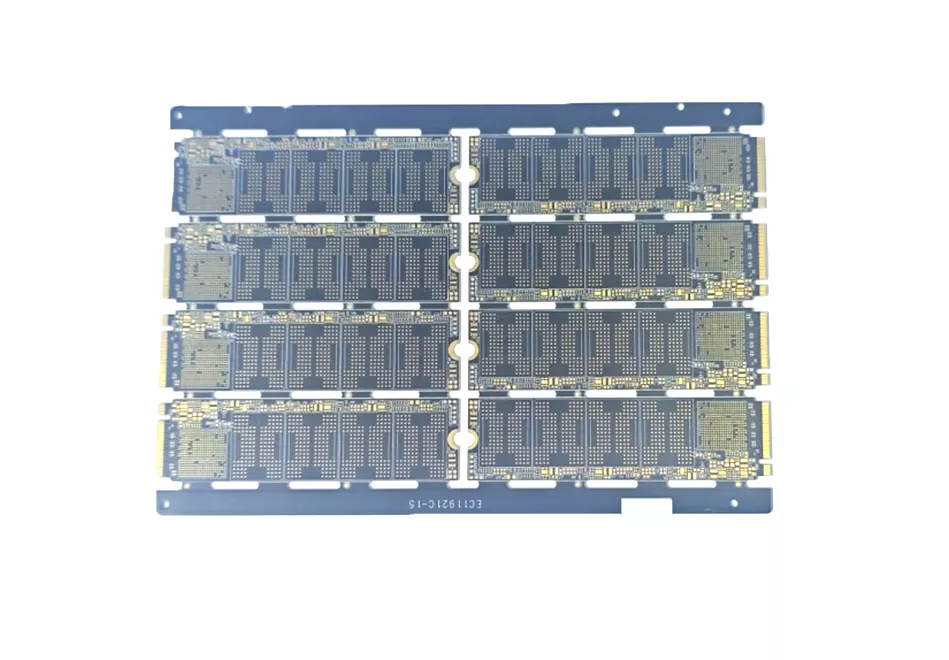
Resin-Plugged Via Voids: Acceptance Criteria and Control
Via-in-pad is now routine on HDI boards. A via that sits inside a component pad has to be filled, cured and planarized before the pad can be plated and soldered. If the resin contains…
2026.10.22 -
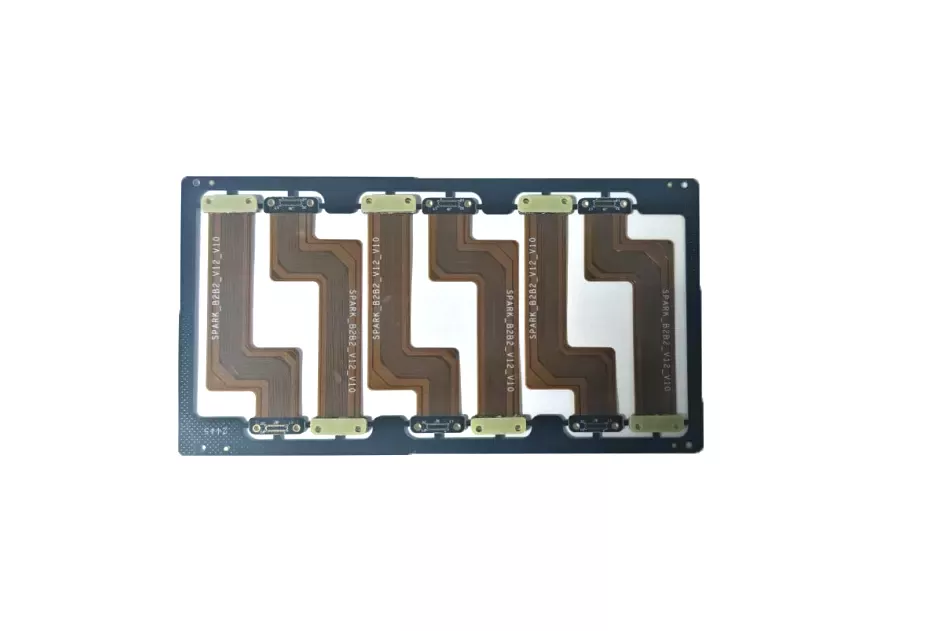
PTH Copper Voids in Flex and Rigid-Flex: 6 Root Causes
A plated through hole in a flex or rigid-flex board carries current through a stack of polyimide, adhesive and copper. When the copper barrel is incomplete, the board may still pass electrical test at…
2026.10.22 -

Rigid-Flex Adhesive Squeeze-Out: Causes and DFM Limits
A rigid-flex board rarely fails in the middle of a rigid section. It fails at the transition, where the coverlay ends and the flex tail begins. Adhesive squeeze-out is one of the quiet reasons…
2026.10.22 -

How a PCB Quote Is Calculated: Material, Panel, and NRE
Two fabricators quote the same Gerber package. One returns $4.80 per board, the other $7.10. Neither is lying. They are pricing different things: different panel utilization, a different laminate source, a different test coverage,…
2026.10.22