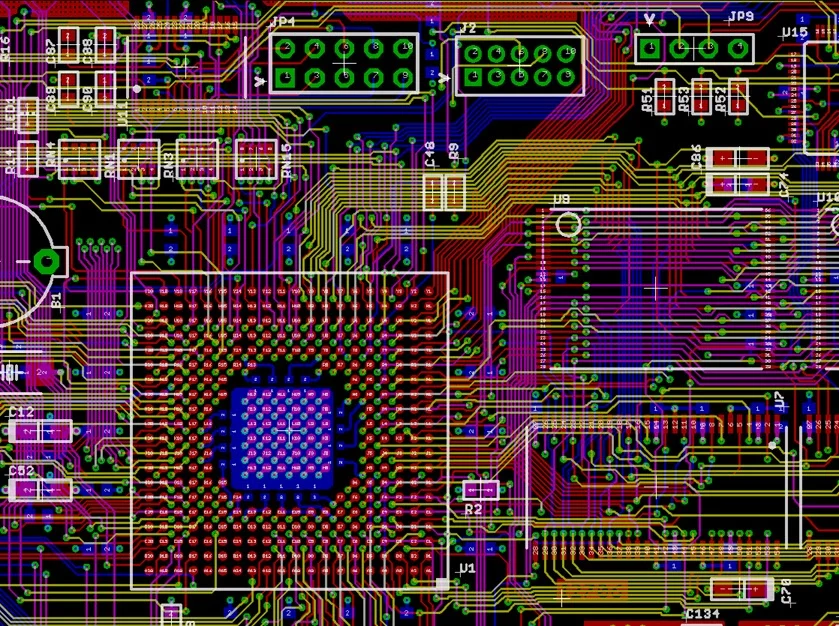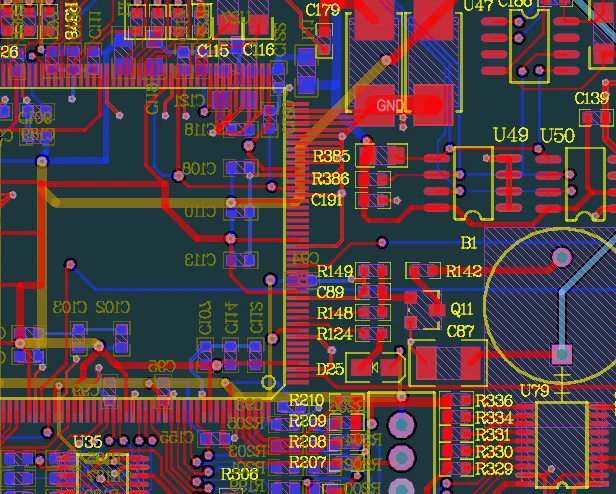



For medical electronics PCB manufacturing, the fabrication files, BOM and test requirements need to describe the same approved design. Missing material specifications, unapproved component alternatives or unclear acceptance limits can delay a build and complicate repeat orders.
Benchuang reviews PCB fabrication and assembly requirements against the submitted project files. Include any supplier qualification and documentation requirements with the RFQ so they can be addressed before order acceptance.
Confirm the PCB Construction Before Release
Specify the laminate, layer stack-up, finished thickness, copper weight, surface finish and impedance requirements. Identify materials or construction details that require approval before substitution.
For compact HDI designs, include the via spans, filling requirements and component pad details. Where the design has sensitive analog signals, high-speed interfaces or isolation requirements, show the relevant constraints in the manufacturing package rather than relying on general application descriptions.
Control Component Substitutions and Revisions
Provide complete manufacturer part numbers and a written alternatives policy. Parts outside the approved list require customer approval before purchase or assembly. A matching package and nominal value alone do not establish suitability.
- Match revisions: PCB files, BOM, placement data and assembly drawings must belong to the same released build.
- Identify controlled parts: Mark components that must not be substituted and any required purchasing sources.
- Record approvals: State whether a change applies to one batch or becomes part of the next released revision.
- Control firmware: Specify the programming file, version and verification requirements when programming is included.
Define Inspection, Testing and Delivery Records
For medical PCB assembly, “tested before shipment” is not a complete acceptance requirement. Identify the checks needed, the pass/fail limits and the records to be delivered. Confirm the available methods and responsibilities during quotation.
| Requirement | What to Specify |
|---|---|
| Bare-board verification | Electrical testing, dimensional checks, impedance measurements and any required reports. |
| Assembly inspection | Workmanship criteria, inspection coverage and requirements for hidden solder joints. |
| Functional testing | Test procedure, operating conditions, limits, firmware and responsibility for fixtures or test equipment. |
| Cleanliness and coating | Required cleaning process, acceptance method, coating specification and areas that must remain uncoated. |
| Traceability | Batch or unit identification, material records, build revision and retention period. |
| Shipment documentation | Inspection results, test records, approved deviations and required certificates or declarations. |
Keep assembly inspection separate from functional acceptance. A board can pass visual inspection while still requiring verification of its programmed behavior, measurement accuracy or interfaces under the agreed test procedure.
Carry Approved Requirements into Repeat Production
After prototype evaluation, update the released files with approved corrections before the pilot or repeat order. Record unresolved issues explicitly; do not rely on emails or a reference sample alone to define the next build.
Before reordering, confirm changes to components, PCB materials, firmware, manufacturing processes and testing. Where a change affects the validated design, agree the required review or revalidation before production.
What to Send for a Medical PCB or PCBA Quote
- Gerber and drill files, fabrication drawing, stack-up and board revision.
- BOM with manufacturer part numbers, approved alternatives and sourcing restrictions.
- Pick-and-place data, assembly drawings and relevant mechanical constraints.
- Inspection, cleanliness, coating, programming and functional test requirements.
- Traceability, reporting and supplier qualification requirements.
- Prototype and repeat-order quantities, target delivery date and packaging requirements.
Order & Project Support
Send Benchuang your design package and identify the requirements that are fixed or still under review. We will review manufacturability, clarify missing information and define the quotation scope. Any required medical-sector certification must be verified for the relevant supplier and manufacturing site before order placement.